A Super Single’s 107 by 190cm footprint is the sweet spot for a common bedroom in a 3-room resale flat or a newer 4-room BTO. You can’t just assume it’ll fit, though. The real constraint isn’t the room’s square metres—it’s the door swing and the existing storage that’s already there. In many older flats, that internal bedroom door is a single-leaf, barely 91.5cm wide. The door itself swings into the room, eating up floor space right where you’d want to place the bed frame. You need to measure the clearance left after that door opens fully, not just the empty floor.
Consider a typical scenario: a 3-room flat’s secondary bedroom, maybe 10 or 12 sqm, already has a built-in wardrobe or a tall dresser along one wall. That’s your storage, and you won’t be removing it. A Super Single bed needs to go alongside that piece, leaving enough walking space to actually get to the wardrobe doors. You’ll want at least 30cm clearance on the sides and a proper 60cm or more along the exit side for moving around. If you try to squeeze the bed right against the wardrobe, you’ll end up with a cramped corner that’s difficult to use—and you might not even be able to open the lower drawers.
For converted study areas or those narrow common rooms in some BTO layouts, the bed’s length is another quiet hurdle. At 190cm, a Super Single will run along the wall. But if the room is short, you might find the bed end bumping into the doorway or blocking a window. That’s a layout killer. Always measure the actual wall length where the bed will go, factoring in skirting that eats up another 1–2cm. A Queen simply can’t in these spaces; it’s too wide. The Super Single works because it gives an adult proper sleeping width without demanding a Queen’s 152cm, which would leave no room for anything else.
The one real exception is if your secondary room is genuinely spacious—some 4-room resale flats have larger common bedrooms. In that case, you could consider a Queen for future flexibility. But for the majority of HDB layouts where space is tight, the Super Single is the clear choice. It’s the dimension that respects the reality of our flats: existing storage stays, door swings matter, and every centimetre counts.
Super single is the size that fits where a single feels tight and a queen won't go. At 107 by 190cm a super single mattress is exactly 16cm wider than a standard single and 45cm narrower than a queen — the in-between that suits a teenager who's outgrown a child's bed, a single adult who likes room to stretch, or a compact bedroom that has to do more than one job. It's one of the most practical sizes in the Singapore market for exactly that reason: it buys real sleeping space without taking the floor a queen demands. Beyond size, the choice is construction and feel — memory foam for contouring, pocket spring for support and breathability, foam for value. The length is the same 190cm as a single and a queen, so only the width changes across the range. For one sleeper in a room that can't spare much floor, the super single is the size that earns its keep..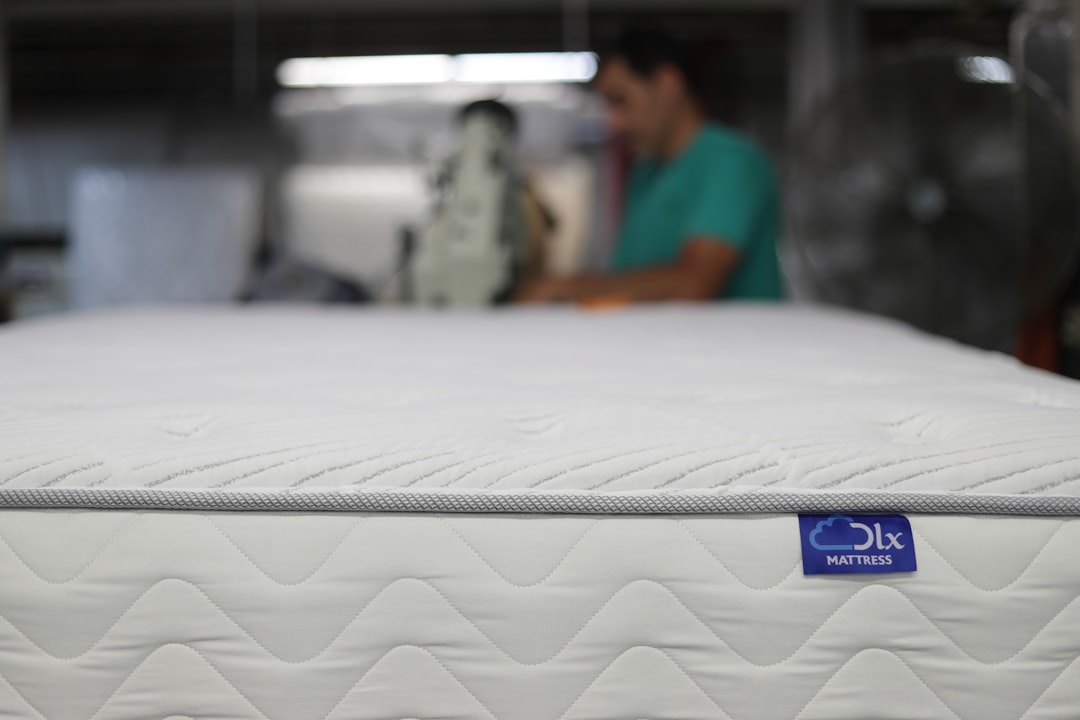
A guest mattress gets used maybe a dozen nights a year, and that changes the whole equation. You’re not shopping for something to endure eight hours of nightly pressure for a decade—you’re looking for a surface that won’t sag after a few years of sitting empty, and one that won’t degrade just from the room’s ambient conditions. For a west-facing common room that bakes in the afternoon sun, material choice becomes critical. Latex, while premium and comfortable, can be sensitive to heat and UV exposure over time; a high-density foam core might actually hold its shape better in that kind of sporadic-use, high-heat scenario because it’s less reactive.
Think about the typical life of a guest room super single. It sits made up, holding spare pillows, maybe a folded blanket. For nine months of the year, it’s just a piece of furniture absorbing the room’s humidity and whatever sunlight comes through the window. Then, during the year-end holidays or when a relative visits, someone sleeps on it for a few nights. The mattress needs to bounce back from those periods of compression without developing a permanent body-shaped dip. High-resilience foams are engineered for that—they’re built to return to form after long periods of static load, which is exactly what happens when a bed is unused.
Daily wear is a different beast altogether. A mattress in a primary bedroom faces constant, dynamic pressure, body heat, and moisture. Its materials need to breathe and redistribute weight night after night. For that, you’d prioritise breathability and deep, consistent support. But for a guest room? You can compromise on some of those daily-performance features in favour of stability against environmental factors. The one exception is if that guest room doubles as a study or a teenager’s crash pad—any bed used more than a few nights a month slides into the daily-wear category, and then your criteria should shift.
So, the straightforward advice is to match the material to the actual usage pattern, not the hypothetical one. Don’t buy a mattress designed for fifteen years of nightly use if it’s only going to see fifteen nights of use a year. That guest room super single faces a harsher enemy than a sleeping body: it’s the relentless Singapore climate, the still air, and the sun bleaching through the curtains. A simpler, denser foam built to be inert often wins out over a more complex, natural material that needs regular activity to stay healthy.
" width="100%" height="480">How to Select a Super Single Mattress for Occasional UseThe worst thing you can do is give a guest a mattress that swallows them whole. You need a medium-firm feel, not a plush cloud. That extra firmness provides proper spinal alignment for a variety of adult sleepers, especially those unaccustomed to a softer bed. An overly soft super single will sag after a few visits, leaving a permanent dip where your cousin slept. That's a waste of money and a guarantee of back complaints next Chinese New Year. Aim for a core that feels supportive the moment you press down, not one that gives way too easily.
You don't need to spend a fortune, but going too cheap is a definite trap. For a super single that will last, your budget typically sits between eight hundred and fifteen hundred dollars. This range gets you out of the bargain-basement zone where foams collapse and coils poke through. It's enough for decent materials that won't fail after a dozen nights of use. Think of it as an investment in peaceful hosting, not a disposable item. Spending here means you won't be replacing the mattress in three years when the monsoon-season guests arrive.
Sag is the silent killer of guest room mattresses. It happens when low-density foam or weak springs can't recover from compression. That temporary dip becomes a permanent valley, and nobody sleeps well in a hole. The key is to look for high-density foam cores or a robust pocketed spring system that promises longevity. A good test is to imagine the weight of an adult concentrated in one spot for a week straight—will it bounce back? If you have doubts, the mattress probably can't handle occasional adult use.
What's inside makes all the difference for support. A simple block of cheap foam won't cut it. Look for constructions with a firmer base layer topped with a comfort layer for pressure relief. Many decent mattresses in our target price range use a combination of high-resilience foam and pocketed springs. These layers work together to distribute weight evenly and prevent that sinking feeling. This structure is what keeps an adult guest properly supported from shoulders to hips, regardless of their sleeping position.
For a guest room, longevity isn't about daily wear—it's about resilience during long periods of storage followed by sudden use. The materials must remain stable in our humidity and not degrade while sitting idle. A mattress that develops a permanent body-shaped depression after two weeks of use is useless. Focus on builds known for holding their shape over years, not just months. This is where that mid-range budget pays off, securing a product that will be ready whenever you need it, without surprise sags or smells.
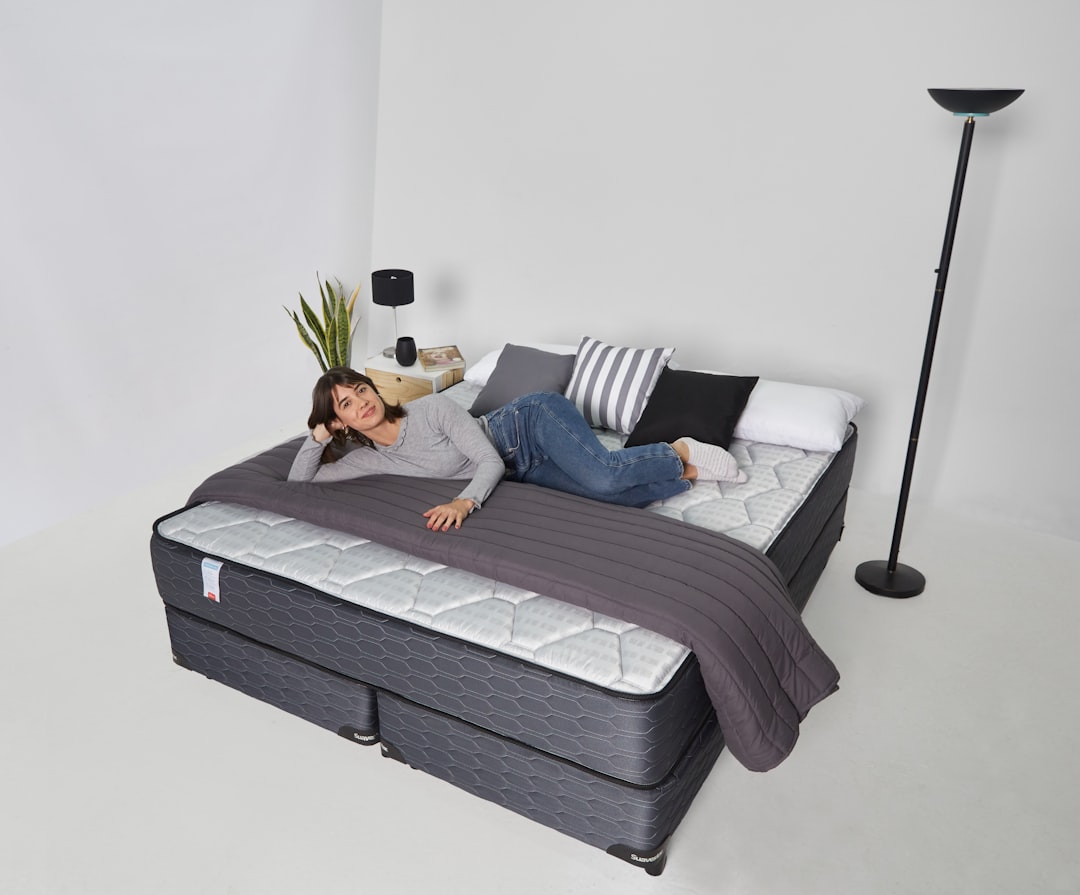

Singapore’s humidity is a constant, not a seasonal guest. In a non-air-conditioned room—think a common bedroom in a Bedok flat during the year-end monsoon—the air can feel thick enough to wear. A mattress that doesn’t breathe becomes a sponge for that moisture, and that’s a recipe for discomfort at best and mould at worst. This isn’t just about feeling cool; it’s about preserving the mattress itself over years of sporadic use when aunties or old school friends come to stay.
Your first line of defence is the cover. Look for one made from breathable, moisture-wicking fabric. These materials pull sweat away from the sleeper and allow air to circulate, which helps the core of the mattress stay dry. A basic polyester cover might feel okay at first, but it’ll trap heat and humidity against the foam layers underneath. That trapped moisture has nowhere to go, especially in a room that’s shut up most of the year.
For the core, gel-infused memory foam is a solid bet for our climate. The gel particles help dissipate heat, preventing that classic memory foam feeling of sinking into a warm swamp. Traditional memory foam can feel stifling in 80% humidity, but the gel-infused versions handle it much better. They’re designed to sleep cooler and resist that damp, clammy feeling that can ruin a guest’s night. Latex is another good option, naturally breathable and resistant to mould, though it often comes at a higher price point.
The one time you might skip the high-tech foam is if you’re absolutely set on a traditional innerspring mattress. Even then, you’ll want to pair it with a breathable, zippered protector. But for most guest rooms in our neighbourhoods, where the air-con isn’t running daily, a mattress built to manage moisture from the cover inward is a smarter long-term investment. It stays fresher, lasts longer, and actually provides a decent night’s sleep for whoever’s using it.
Specs on a screen can't tell you how a mattress feels under your own weight. That firmness rating, the density figures—they're just a starting point. For a Super Single mattress that'll see occasional use, maybe for a guest during CNY or a visiting relative, you can't afford to get the feel wrong based on a digital description alone. A guest will remember a night spent on a surface that's too hard or too soft far longer than they'll remember the colour of your curtains.
Head to a showroom. Actually sit on the piece. Better yet, lie down on it for a full minute in your usual sleeping position. You're checking if that "medium-firm" label translates to a supportive feel for your back, or if it's just a plush top layer hiding a rock-solid base. Run your hand over the fabric weave; a tighter, smoother cover might be cooler and easier to wipe down, while a textured one could feel cosier but trap more dust. These are details you only register in person.
Consider the guest room scenario. That mattress might lie unused for weeks at a time, then suddenly need to accommodate someone with different preferences or a bad back. If you buy purely online, you're gambling on a single set of numbers fitting every possible occasional occupant. A showroom visit lets you test the extremes—press down hard on the edges, see if they collapse, check if the centre holds its shape. You'll know instantly if it's a candidate for long-term guest comfort or a recipe for complaints.
The one time you might skip the trip? If you're replacing an identical model you already know and love. Even then, fabric batches and slight manufacturing tweaks can change the feel. For a piece meant for hosting, where you want to avoid that awkward "sorry the bed isn't great" conversation, the trip to see and feel it is non-negotiable. You'll walk out confident, or you'll know to keep looking.
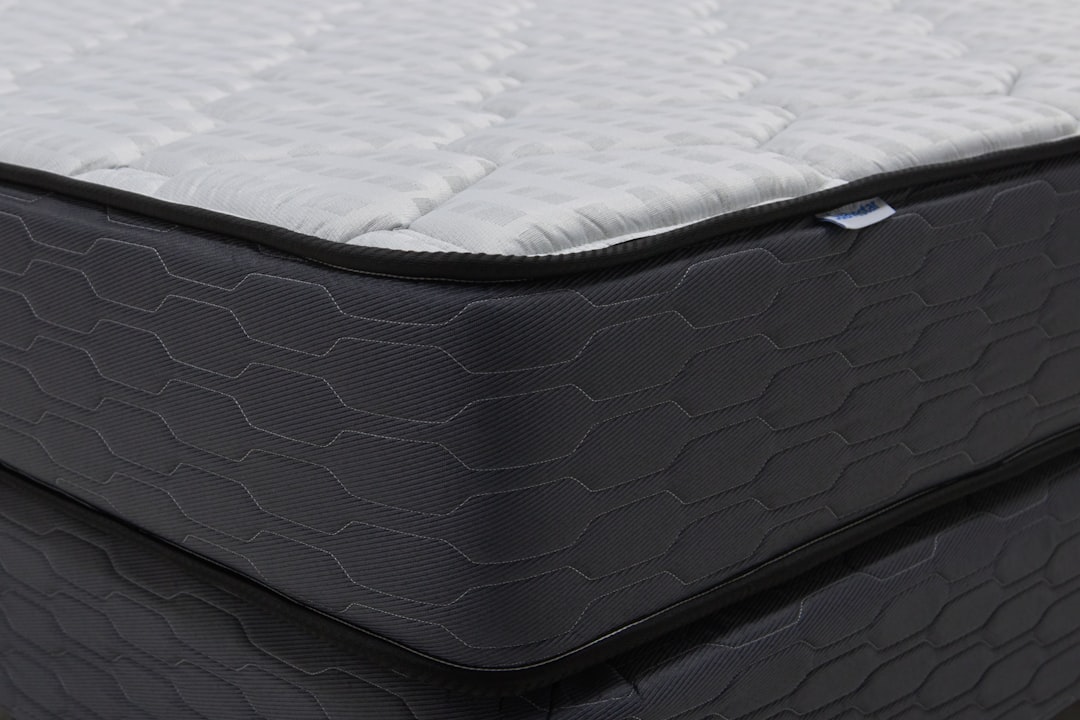
A Super Single mattress is the clear upgrade from a Single, but a lot of people still get this wrong. They’ll buy a standard 91 by 190cm Single for the guest room, thinking it’s fine for the occasional relative or friend. The problem surfaces the first time an adult guest spends the night—shoulders hanging off the edge, a restless sleep that leaves them stiff. That’s when you realise the guest bed isn’t just a placeholder; it’s a hospitality fail. The correction is simple: go for the Super Single’s 107cm width. That extra 16 centimetres makes all the difference for shoulder room, turning a cramped experience into a comfortable one. It’s a small dimensional shift with a big impact on sleep quality.
Another classic misstep is letting price dictate the entire decision, especially when ventilation needs are at stake. In our climate, a mattress that traps heat and moisture is a recipe for discomfort and, over time, mould. You might save a few hundred dollars upfront on a dense, non-breathable foam, but you’ll pay for it later. That guest room often has poorer air circulation to begin with, tucked away without a ceiling fan. Prioritise a mattress with good airflow—one with a breathable cover and a core that allows air to pass through. For occasional use, this isn’t a luxury; it’s a necessity to prevent the mattress from developing that musty, unused smell.
The exception? If your guest room doubles as a dedicated, air-conditioned home office that only sees a visitor once a year, then maybe you can compromise. For everyone else hosting during CNY or year-end holidays, the guest’s comfort reflects on you. Don’t give them a reason to book a hotel next time.
Think of it this way: the right Super Single mattress should disappear into the room until it’s needed, then perform perfectly. Getting the width right solves the immediate physical comfort. Choosing for ventilation ensures the mattress stays fresh and ready, season after season, without becoming a source of humidity problems. It’s about buying for the reality of Singapore living, not just the price tag.
Typical Singapore buyer will type those same phrases into the search bar, every time. They’re not looking for marketing fluff; they want the practical, can-fit-or-not answers that decide a purchase. The good news is the Super Single is the answer to a lot of those hidden worries.
Super Single mattress price Singapore 2026. Expect to pay more than a standard Single, but less than a Queen. The price jump isn’t for the extra 16 centimetres of sleeping width alone—it’s because you’re buying into a category designed for adults who need proper space but live in tight quarters. It’s the premium for a grown-up bed that fits a 10 sqm common room.
Can Super Single fit in HDB study room? Almost always can. That 107 by 190 centimetre footprint is the secret weapon. It slides into spaces a Queen would choke—think that awkward room beside the kitchen, or the converted bomb shelter study. The real test is the bedroom door, but at just over a metre wide, a Super Single mattress bends where a rigid bed frame might not. Queen cannot.
Difference between Super Single and Queen mattress size. It’s a 45-centimetre gulf in width. Visually, a Queen fills a master bedroom wall-to-wall. A Super Single leaves you precious floor space for a small desk or a narrow wardrobe. For one person, that Queen width is luxury. For a guest room that doubles as a home office, that extra space is non-negotiable.
Best mattress for guest room humidity. This one’s straightforward: avoid natural materials that trap moisture. A guest room mattress sits unused for weeks, becoming a sponge for our 80%-plus air. Memory foam can feel like a swamp. Look for breathable synthetics or latex hybrids with good airflow—they won’t develop that musty smell. The guest who shows up during the year-end monsoon will thank you.
A showroom can overwhelm you with choices, but your own numbers won't lie. Pull out the measuring tape one last time—not just for the 107 by 190 centimetre footprint of the super single itself, but for the breathing room around it. A common bedroom in a 4-room BTO might be around 12 square metres, so you need that 60-centimetre clearance on the exit side for making the bed. Don’t forget the journey in; that mattress will need to bend around a 90-centimetre lift door and through a standard internal doorway. If your guest suite is in a landed property with a generous staircase, you’ve got more leeway, but in a condo or HDB, the access path is your first real test.
Confirm your guest frequency with a hard look at the calendar. Is this for the twice-a-year relative during CNY, or the friend who crashes monthly? That answer dictates your must-have features. For the truly occasional scenario—the room that sits empty for months—prioritise a mattress with a removable, washable cover. Humidity here is no joke, and a sealed mattress that can’t be stripped and aired is a gamble. A zip-off cover you can cold wash before a guest arrives resets the room perfectly, without that faint stale smell that settles on fixed fabrics.
Set a firm budget ceiling and stick to it. The temptation to upgrade for features a once-a-year guest will never appreciate is real. Decide now: is the extra few hundred for a premium cooling layer necessary, or would that money be better spent on quality bedding? The one exception is if the room doubles as a home office or study for a family member; then, a more supportive, daily-use grade mattress makes sense. But if it’s purely for hosting, channel those funds into a good protective cover and excellent pillows instead.
Finally, be ruthless about the “nice-to-haves” versus the non-negotiables. A storage bed base is fantastic for stashing extra linens in a spare room, but only if the floor space allows for drawers to open fully. If the room is tight, that hydraulic lift-up mechanism needs overhead clearance you might not have. Walk in knowing your three non-negotiables—be it dimensions, washability, or a firmness level suited to an older parent’s back. That clarity turns a potentially confusing trip into a simple mission: find the box that ticks these, then stop looking.