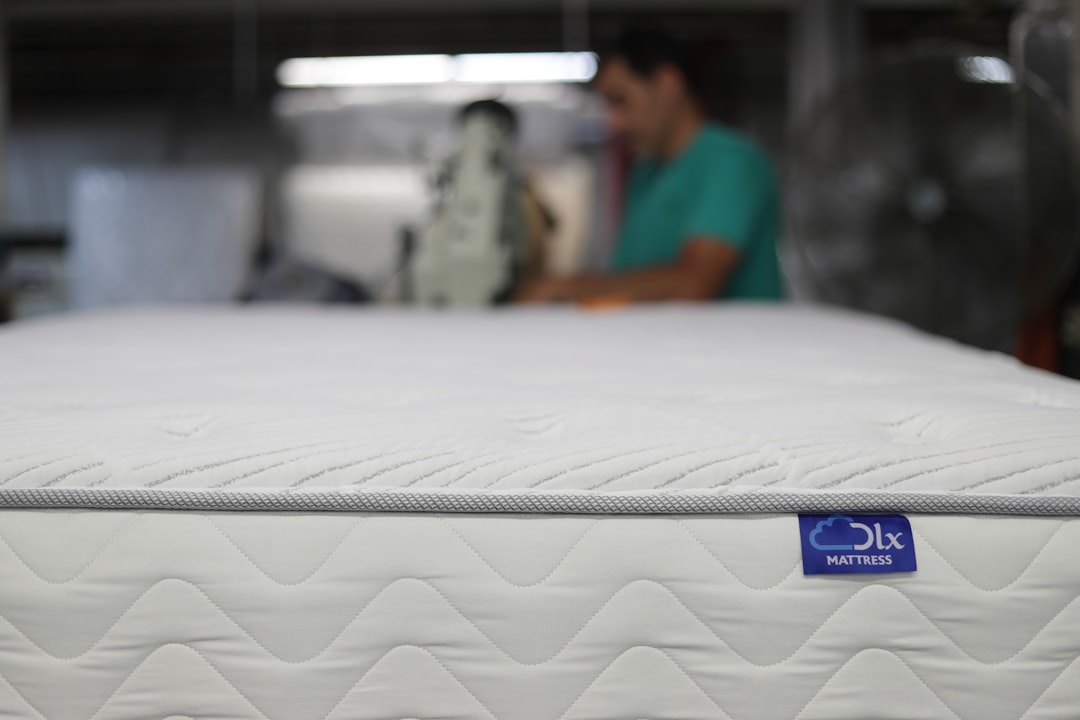
The first thing you'll notice is a scattering of dark specks along the seams, especially near the corners where the mattress fabric meets the piping. In a humid 12 sqm common room, where ventilation can be tricky, these spots look almost exactly like mould. But mould tends to spread in patches, while these specks are isolated and granular—they're bed bug excrement, digested blood that's been deposited as the insects move along their favourite travel routes. Mattress edges, particularly on a Super Single sized for a single adult in a compact space, offer a sheltered path for them to navigate from their hiding spots to their feeding grounds.
You'll want to check the entire perimeter, lifting the mattress slightly to inspect the underside of the seam tape and the fabric folds. The spots don't brush off easily like dust; they smear into a dark, rusty stain when pressed with a damp cloth. That's a definitive test. In a room that's already tight on space, with maybe just 30cm clearance on one side, the bed's edges are often pressed against walls or furniture, creating even more shadowy crevices for pests to exploit. It's a classic scenario in many HDB flats—the bed becomes a focal point in a small room, and every inch of its border needs scrutiny.
Ignore this sign, and you'll likely find more evidence later—tiny pale eggs tucked into fabric folds, or the bugs themselves hiding in the mattress's label or stitch holes. But those black spots are the earliest visual clue you can catch without a full strip-down. For a mattress that's meant to be a comfortable, space-efficient solution for a young adult's room or a guest room, spotting this early means you can address the problem before it spreads to the entire bed frame or nearby furniture. It turns a simple cleaning concern into a potential infestation alert.
The one exception? If you've recently had a spill of something dark, like coffee or soy sauce, along the edge. But that's usually a single, concentrated stain, not a trail of separate dots. A pattern of tiny, distinct specks, especially around the head of the bed where warmth and proximity to the sleeper are highest, is almost always the tell. Don't just wipe it off and assume it's dirt—investigate further. That's the difference between solving a minor hygiene issue and missing a major pest problem one.
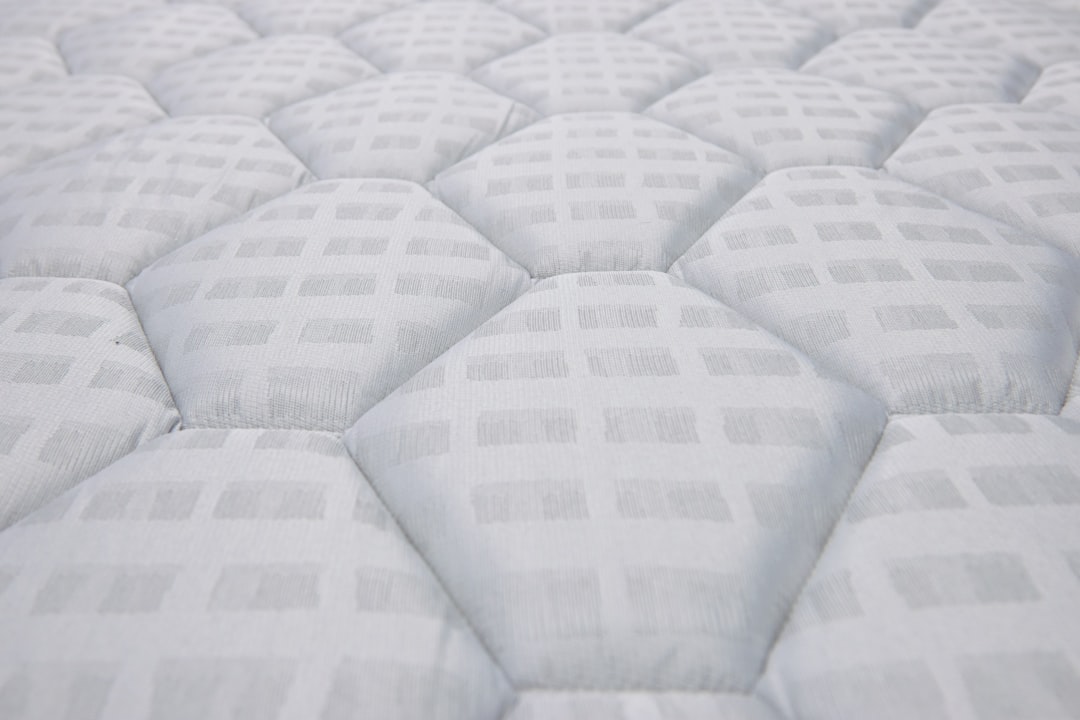
You wake up with a few itchy spots on your ankle and shrug it off as mosquitoes. In our humidity, that's the automatic assumption. But bed bug bites don't appear randomly—they tend to form in small, tight clusters or a rough line. That pattern is the first clue you've got something else going on. It's because the bug often gets disturbed and moves a short distance before biting again. So if you see three or four red welts grouped together, especially after sleeping on that Super Single, that's your signal to look closer.
The bites themselves look like small, raised, red welts—they're often intensely itchy. They can appear anywhere, but on exposed skin while you sleep is typical. For a solo sleeper in a common room, your arms and ankles are prime targets because they're outside the covers. The welts might not show up immediately; sometimes they take a day or two to become noticeable and itchy. That delay can make you blame the wrong day or activity, which is why linking them to the mattress is crucial.
Young adults, especially, will almost always call these mosquito bites. It's a natural mistake given how common mosquitoes are here. The welts look similar, and the itch feels familiar. But mosquito bites are more solitary and can happen any time, anywhere. Bed bug bites are specifically linked to where you rest—they're a souvenir from your sleeping surface. Mistaking them means you delay dealing with the real problem, letting a minor issue become a major infestation.
This is where the Super Single's size matters. A 107cm width gives more surface area than a standard Single, which means more potential hiding spots along the seams and edges. Bugs favour these tight, dark seams and the gap between mattress and frame. If you're getting these reactions consistently after nights in that bed, the mattress is the likely source, not the room's general environment. Ignoring that link and just spraying the room won't solve it—you need to inspect the bed itself, thoroughly.
Once you recognise the pattern, you've got to act straight away. Don't wait for more clusters to appear. Strip the bedding and examine the mattress seams closely, looking for tiny dark spots or the bugs themselves. A proper inspection is the only way to confirm. If you find signs, dealing with the mattress becomes the priority—whether that's professional treatment or replacement. Letting it linger because you think it's just humidity or random bites will cost you more in the long run, both in discomfort and expense.




You've found the signs, but before you dial that number, there's a final step you can't skip. It's the one that stops you wasting money on a treatment that won't work, or throwing away a mattress that could've been saved. First, go back and verify all five indicators—the bites, the stains, the shed skins, the eggs, and the live bugs themselves. Missing one can mean you're chasing a different problem altogether. Then, get your phone out and take clear photos. Not blurry snaps from a distance, but close-ups of every stain, every cluster of eggs tucked into a seam, every bug you can spot. This isn't just for your own record; a pest control professional will need this evidence to assess the severity before they even step into your flat.
Next, isolate the mattress. That means moving it away from any other furniture, especially other beds or upholstered items in the same room. In a tight HDB common bedroom, that might mean propping it up against a wall with nothing touching it, or even moving it temporarily into a cleared-out corner of the living room. The goal is to create a barrier, physical and visual, that stops any stragglers from migrating and gives you a clean zone to monitor. This also makes the treatment area clearer for the exterminator later.
Now, decide: treat or replace? If you've only found a few stains and skins, and maybe one or two bugs after a thorough search, professional treatment is usually enough. They'll target the mattress and the immediate area. But if the infestation is severe—you're seeing bugs regularly, stains are widespread across the surface, and you've found multiple nests in the seams—replacing the mattress might be the more sensible path. A heavily infested Super Single, with its 107cm width offering plenty of hiding space in those edges, can be a persistent source even after treatment. In that case, bag it up securely for disposal and focus on protecting the new one you'll bring in.
The exception? If the mattress is relatively new and high-quality, you might lean towards treatment even with a moderate infestation, because the cost of replacement is higher. For an older mattress that's already showing its age, replacement often becomes the straightforward choice. Whatever you decide, those photos and your isolated setup will give the pest control team a much clearer starting point, saving you time and likely a bit of cash too.