Comparing ottoman storage options: Bench vs. individual units

Ottoman Storage in SG Homes

In Eunos HDB flats where every square meter counts, ottomans do triple duty—footrest by day, impromptu seating when relatives visit, and hidden storage for that extra bedsheet set. An ottoman is one of the most under-rated pieces in a small Singapore living room — extra seating when guests come over, footrest during the daily wind-down, sometimes a coffee-table substitute when the room layout demands flexibility. Megafurniture's Ottoman collection covers footrest, square, lift-top storage, and round designs in fabric, leather, faux leather, velvet, and rattan. Lift-top storage variants typically hold 60–80 litres of contents — useful for blankets, board games, or seasonal items.. Most measure 50–60cm square, fitting neatly beside recliners or at the foot of queen beds in 12 sqm bedrooms. The lift-top varieties swallow bulkier items like winter wear (yes, some Singaporeans own puff jackets) while flip-top models keep daily clutter—magazines, charging cables, mahjong tiles—within reach but out of sight.

Rubberwood frames wrapped in performance velvet dominate showroom displays—sturdy enough for kids to jump on, stain-resistant when kopi gets knocked over during CNY gatherings. Landed property owners often opt for larger 90cm units with tufted leather tops, doubling as coffee tables when topped with a tray; BTO dwellers lean toward modular sets that tuck under console tables. Prices start around $200 for basic fabric cubes, climbing to $800 for solid teak storage benches with brass hinges—still cheaper than losing a month’s parking fee to cluttered floor space.

Megafurniture’s Joo Seng showroom demonstrates the real test: an ottoman should withstand Auntie Ling perching on the edge for three hours while critiquing your life choices. Their deeper models (35cm seat height) prevent that awkward knee angle older guests complain about. The Somnuz® foam padding strikes a balance—firm enough not to sag after storing ten kilos of old textbooks, soft enough to double as a nap spot for uncles during football matches.

Storage capacity often disappoints when buyers eyeball dimensions—a 45cm cube fits exactly two folded blankets or six shoeboxes, not the entire family’s Christmas decorations. Smart shoppers measure their must-store items first: folded yoga mats need at least 55cm depth, while board games require shallower but wider compartments. Some condo owners repurpose narrow hallway ottomans as shoe cabinets, provided they line the interior with wipeable laminate.

The best ottomans disappear into daily routines—used as step stools to reach high cabinets, makeshift laptop stands during WFH days, even baby gates when wedged sideways across corridors. Their true value emerges during year-end cleaning, when you rediscover last year’s red packets still tucked inside.
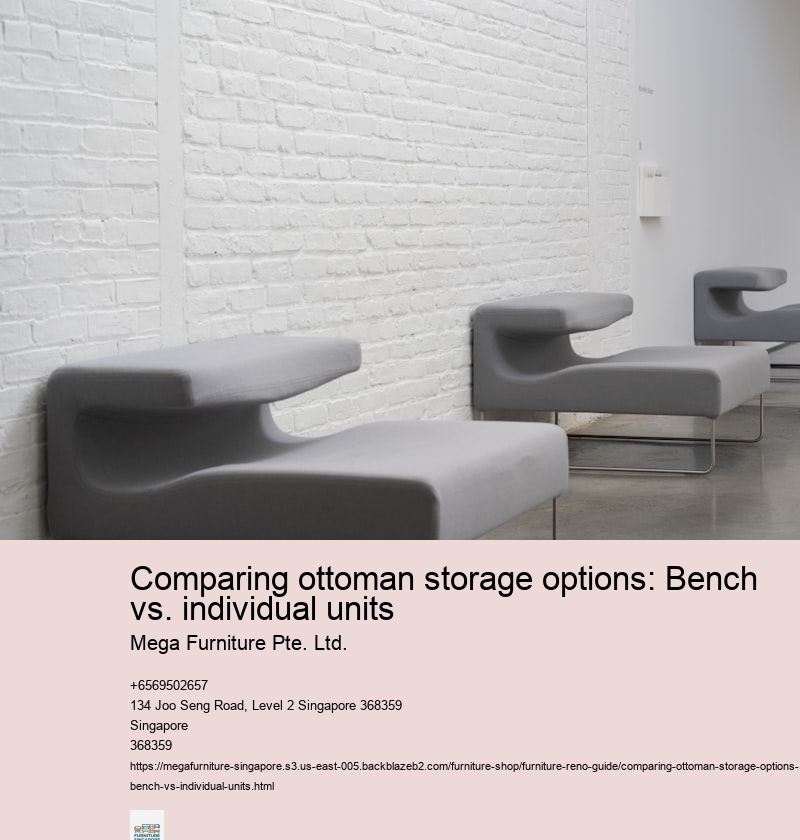
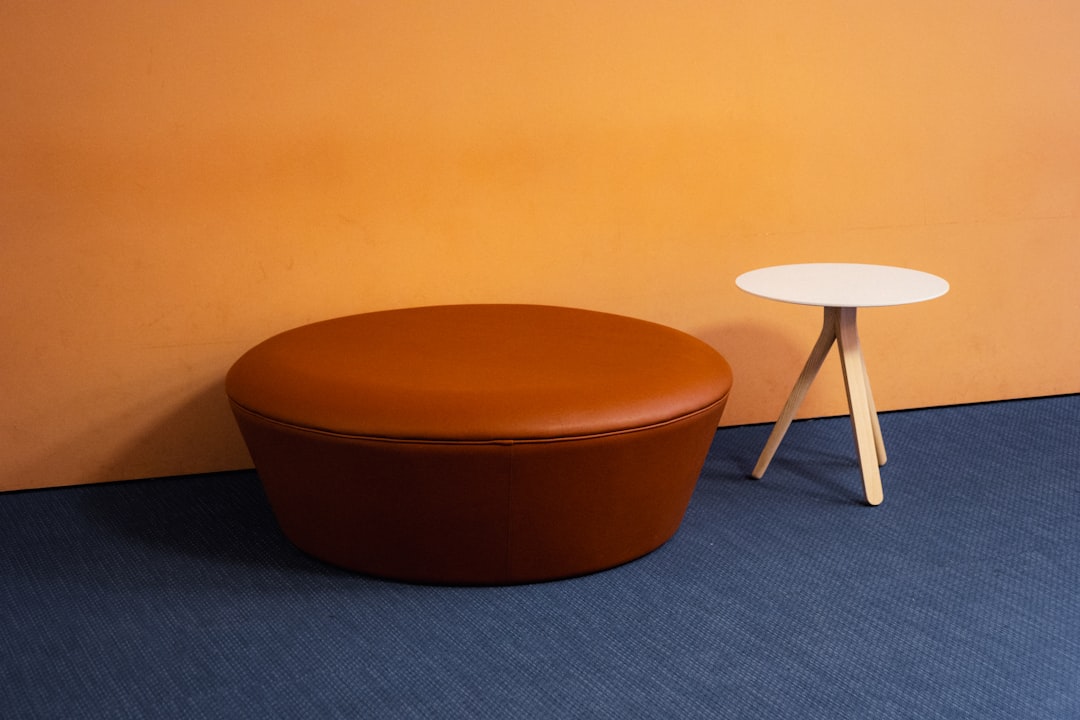
Bench vs. Individual Units

A bench ottoman wedged between two armchairs in a Tiong Bahru shophouse living room does triple duty—extra seating when the mahjong crowd visits, hidden storage for spare cushions, and an impromptu footrest during Netflix marathons. These rectangular units (typically 120–180cm wide) dominate smaller spaces efficiently; their flat, continuous surface suits narrow walkways behind sectionals in 4-room BTO layouts where every centimetre counts. But lift that hinged lid after six months and you’ll often find it’s become a graveyard for expired vouchers and tangled charging cables—benches tempt clutter precisely because they’re too convenient to ignore.

Individual ottomans tell a different story. A pair of 50cm square units flanking a recliner in a Sengkang executive flat can be shoved aside when vacuuming or stacked as makeshift side tables during CNY visits. The trade-off? You’ll sacrifice about 30% storage capacity compared to a bench of equivalent total length—those hollow interiors swallow bulkier items like winter coats or board games poorly. Rotating one to face different seats does beat dragging an entire bench across herringbone laminate, though.

Material choices tilt the scales further. Bench ottomans usually come upholstered in stain-resistant fabrics like polyester blends or performance velvet—essential when they double as spill-prone coffee tables. Individual pieces often sport leather or bouclé, since they’re treated more like accent furniture than workhorses. Neither solves the eternal Singaporean dilemma: ottomans placed near windows fade faster under our equatorial sun, yet tucking them against walls defeats their social seating purpose.

For households hosting weekly gatherings, the bench’s sheer seating real estate wins out. But in 12 sqm bedrooms where space planning changes with every Shopee haul, two mobile cubes beat one anchored storage monolith. Just don’t expect either to stay where you left them—ottomans have a way of migrating to wherever someone’s feet need propping.

Materials for SG Conditions

Humidity Resistance

Singapore's 80% humidity warps untreated wood within months. Opt for kiln-dried rubberwood or marine-grade plywood — their tighter grain structure resists moisture absorption better than cheaper alternatives. Synthetic rattan weaves outperform natural fibres, which fray when exposed to constant dampness. Leather develops patina but won't mould; just wipe condensation off before noon. Even metal frames need powder-coated finishes to prevent salt air corrosion in coastal estates like Marine Parade.

Pet Durability

Cat claws shred linen but slide off patent leather upholstery. Tightly woven Sunbrella fabrics withstand dog nails better than loose bouclé textures that snag. Darker hides mask scratches, while light velvet shows every paw print after one rainy season. Consider removable, washable covers for ottomans doubling as pet perches near balcony doors. Metal studs or trim protect corners from enthusiastic chewers in compact flats.

Cleaning Demands

Performance fabrics like Crypton repel kopi stains better than untreated cotton in high-traffic areas. Smooth surfaces (gloss-lacquered wood, faux leather) wipe clean faster than textured materials gathering dust in HDB corridor drafts. Removable cushion covers matter more for storage ottomans used as impromptu dining seats. Skip light-coloured bouclé near open kitchens — chili oil splatters require professional cleaning. Budget for quarterly deep cleans if choosing velvet in landed properties with open windows.

Weight Considerations

Solid teak storage ottomans stay put but strain backs during spring cleaning. Lightweight acacia works better for elderly shifting furniture in 3-room BTO flats. Hollow-core designs with metal frames offer stability without bulk in walk-up apartments. Water hyacinth baskets slide easily across tiles but lack heft for footrest use. Always check weight limits before loading with winter clothes in upper-floor walk-in wardrobes.

Budget Tradeoffs

Marine ply costs 30% more than MDF but lasts decades in Bukit Timah's damp basements. Faux leather peels within five years, while full-grain develops character with age. Local rubberwood beats imported oak price-wise for the same humidity resistance. Modular foam inserts add $200 but prevent sagging when kids jump on them. Factor in $120/year maintenance for natural materials versus wipe-clean synthetics.

Common Buyer Mistakes in SG

The 120cm round ottoman looks elegant in the showroom — until you realise it blocks half the wardrobe door in a 12 sqm HDB bedroom. Singapore buyers routinely underestimate how much floor space disappears when adding storage ottomans; what works in a landed property’s study often overwhelms BTO bedrooms where every 10cm counts. Humidity resistance gets overlooked too. That linen-upholstered ottoman might suit Scandinavian interiors, but in Bedok’s coastal humidity, uncovered fabric develops mustiness within months. Performance fabrics like Crypton or Sunbrella handle spills better, while leather alternatives (even PU) resist mould — crucial for ground-floor flats near Eunos’ canal or older estates with poorer ventilation. Assembly headaches peak in narrow condo doorways or spiral stairwells. Buyers assume all ottomans come flat-packed like IKEA furniture, but many premium models ship pre-assembled — then won’t fit past the lift lobby’s 75cm clearance. Measure twice: door frames, stair turns, even lift dimensions if you’re above the 15th floor. The worst offenders are oversized bench ottomans marketed as “storage beds”. They claim to solve space constraints, yet end up unusable when placed against walls — you can’t lift the lid fully in rooms where beds sit flush against windows or built-in wardrobes. For HDB dwellers, individual 40–60cm square ottomans often outperform single large units. They tuck under console tables when not in use, fit through standard doorways, and distribute weight better on older flat’s hollow-core flooring. Browse the options at

Megafurniture’s collection

— just mind the dimensions.

" width="100%" height="480">Comparing ottoman storage options: Bench vs. individual units

Why Megafurniture Stands Out

The ottoman in a typical 4-room BTO living room does triple duty—footrest for movie nights, impromptu seating when relatives visit, and hiding the clutter before guests arrive. Megafurniture’s Joo Seng showroom displays models built for this reality: 60cm square units with moisture-resistant acacia wood frames that won’t warp when placed near aircon vents, and removable cushion covers that survive monthly washes without fading.

What sets them apart isn’t just the compact dimensions—though at 45cm height, they slot neatly under most recliners—but the testing process. Unlike buying online, you can actually lift the hinged lid repeatedly to check the hydraulic mechanism’s smoothness, or press down on corners to verify the plywood base won’t bow under 20kg of winter blankets. The Tampines location even keeps sample fabrics near windows so buyers can see how beige linen upholstery holds up to afternoon sun exposure.

Warranties matter for pieces that get daily use. Their five-year coverage on stitching and three years on hardware suggests these aren’t disposable items—critical when you’re paying $380–$780 for something that’ll endure years of kids jumping on it or uncles dozing off mid-conversation. The rubberwood legs come pre-treated for humidity; no need for those DIY silica gel packs HDB dwellers usually stuff under furniture.

For those weighing bench versus individual units, the showroom arranges both types in room mockups. You’ll see how a 120cm storage bench eats into walking space in a narrow corridor, while two smaller ottomans tuck under the console table when not in use. Try sitting on them back-to-back—the difference in foam density between models becomes obvious after five minutes.

The collection includes a few surprises, like square ottomans with flip-top trays for sudden CNY visiting card sessions, or low-profile designs that double as coffee table substitutes in 12 sqm bedrooms. Browse the options and you might reconsider whether that generic online purchase was really a bargain after all.

Bench Ottoman Storage

Bench ottomans offer a streamlined storage solution with a single large compartment, ideal for bulkier items like blankets or pillows. Their elongated design maximizes seating space while providing hidden storage, perfect for living rooms or entryways. Unlike individual units, they create a cohesive look but lack compartmentalization.

Space Efficiency Comparison

Bench ottomans optimize space by doubling as seating and storage in a single footprint, ideal for compact areas. Individual units, while versatile, require careful placement to avoid clutter but allow targeted storage. Choose based on whether unified storage or segmented accessibility matters more.

Individual Ottoman Units

Individual ottomans provide modular storage with separate compartments, allowing better organization for smaller items like toys or magazines. Their standalone design offers flexibility in arrangement but may occupy more floor space than a bench. Ideal for those needing categorized storage with easy access.

Delivery and Warranty Essentials

Singapore’s narrow HDB stairwells and condo corridors demand ottomans that disassemble—or better yet, arrive fully assembled but slim enough to pivot past the riser in a 1970s lift. Delivery teams accustomed to landed properties often underestimate the 90cm clearance needed for most storage ottomans, leaving buyers hauling boxes up five flights when the promised "white-glove service" ends at the void deck.

Warranties here hinge on humidity resistance. A typical ottoman warranty covers stitching but not mould creeping into untreated plywood bases—look for terms specifying "tropical climate testing" or foam cores wrapped in moisture barriers. Megafurniture’s collection offers one-year coverage against sagging in 80% humidity, though their Joo Seng showroom staff admit most claims come from ground-floor flats near mangrove reserves.

Assembly complexity separates impulse buys from long-term keeps. The best units ship with tool-free click joints or drop-in panels that slot together in under three minutes—critical for families converting living room ottomans into impromptu step stools or toy chests. Avoid anything requiring hex keys; they’ll vanish between the sofa cushions before the second use.

Delivery timelines stretch during monsoon season when logistics firms prioritise electronics over furniture. Budget two extra weeks if your BTO’s lift lobby still has contractor debris—no amount of warranty coverage speeds up a drenched cardboard box disintegrating beside the mailboxes.

FAQs for SG Buyers

Ottoman benches work surprisingly well in HDB living rooms—until someone spills kopi-o on the linen upholstery. Most buyers underestimate how often these pieces get kicked, sat on diagonally, or used as makeshift step stools to reach high cabinets. The rectangular 90cm–120cm sizes fit flush against walls beneath windows or beside sofas, while smaller 40cm cubes tuck neatly beneath console tables when not in use. Preventing mould starts with choosing the right materials. Performance fabrics like Crypton or Sunbrella resist humidity better than cheap polyester blends, while rubberwood frames hold up better than MDF in Singapore’s damp climate. Leave at least 5cm clearance from walls for airflow, and lift the seat monthly to wipe condensation—especially if storing blankets or board games inside. Can ottomans replace coffee tables? Only if you’re willing to live with wobble. A 50cm square model with a reinforced top works for light use (think TV remotes and magazines), but anything heavier risks toppling when someone leans on it. The sweet spot is a dual-height design—lower for feet, higher with a tray for drinks—though these typically cost $100–$300 more than basic storage cubes. For BTO bedrooms, measure twice: anything wider than 45cm eats into precious walkway space in standard 3m × 3m layouts. Depth matters less—30cm–40cm suits most bedside positions—but check door swing clearance if placing near entrances. Some buyers repurpose narrow 35cm × 80cm hallway benches as under-window seating instead. Megafurniture’s

ottoman range

includes several humidity-resistant options, though their taupe linen blend still requires quarterly fabric refresher sprays. The real test comes during monsoon season, when even the best storage ottomans develop that distinctive musty smell if left unchecked.

Final Decision Before Purchase

An ottoman that fits perfectly in a 4-room BTO living room will look comically undersized in a Pasir Ris 8 maisonette. Measure twice—once with the tape pulled taut against walls, again accounting for walking paths between sofa and TV console. That 90cm round storage ottoman might claim to seat three, but in reality, it’ll barely hold two primary school kids during movie night before someone topples into the coffee table. Test comfort at showrooms like Megafurniture’s Joo Seng outlet—sit cross-legged, stretch your legs out, try balancing a tray of kopi glasses. The foam density that feels supportive during a five-minute trial will sag after six months of nightly footrest duty. Look for rubberwood frames over MDF in humid climates; check stitching tension on tufted models where crumbs inevitably collect. Multifunctionality often means compromise. That sleek, backless bench doubling as shoe storage? Fine for Eunos studio apartments where every square metre counts, but a nightmare when guests rummage through it mid-dinner party. Prioritise features matching actual use—lift-up lids beat flip-down fronts if you’re storing spare bedsheets, while drawers work better for board games. Budget for at least 30% more fabric than the product specs suggest if opting for performance velvet or bouclé—Singapore’s lint-heavy air turns pale upholstery grey within weeks. And always verify the weight capacity; that “storage” claim means little if the hinges buckle under two full IKEA FRAKTA bags of winter wear. The right ottoman disappears into daily life—used as a step stool for changing lightbulbs, dragged onto the balcony for impromptu seating during CNY visits, piled with laundry when the folding urge strikes. Anything requiring special handling belongs in a showroom, not a Tampines HDB. Browse Megafurniture’s

ottoman range

for options that tolerate real-world abuse.